Building a Sustainable Future Through Organic Food Choices
In today’s fast-moving world, the way we produce and consume food has a direct impact on our health, environment, and economy. As awareness grows, more individuals and businesses are turning toward organic food as a responsible and sustainable choice. Organic products are not just about being chemical-free — they represent a commitment to quality, safety, and environmental care.
At Organic Basket, we believe that sustainable food trade begins with responsible sourcing and ends with satisfied customers. Our role in the food supply chain is to ensure that premium-quality organic and agro-based products reach global markets efficiently and reliably.
Why Sustainability Matters
Conventional farming methods often rely on synthetic fertilizers and pesticides that may harm soil health and biodiversity over time. Organic farming, on the other hand, prioritizes natural processes, crop rotation, compost-based fertilization, and ecological balance.
Sustainable organic practices help:
• Preserve soil fertility
• Reduce water contamination
• Promote biodiversity
• Lower chemical exposure
• Support long-term agricultural productivity
By choosing organic products, consumers and businesses contribute to a healthier ecosystem and a more resilient food system.
Quality That Begins at the Source
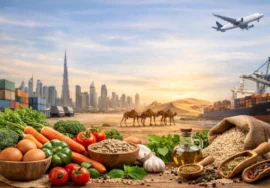
True sustainability begins at the origin. Carefully selected suppliers and verified sourcing practices ensure that every product meets quality expectations and international standards. Whether it is grains, spices, coffee, tea, eggs, or fresh produce, maintaining traceability throughout the supply chain builds trust and transparency.
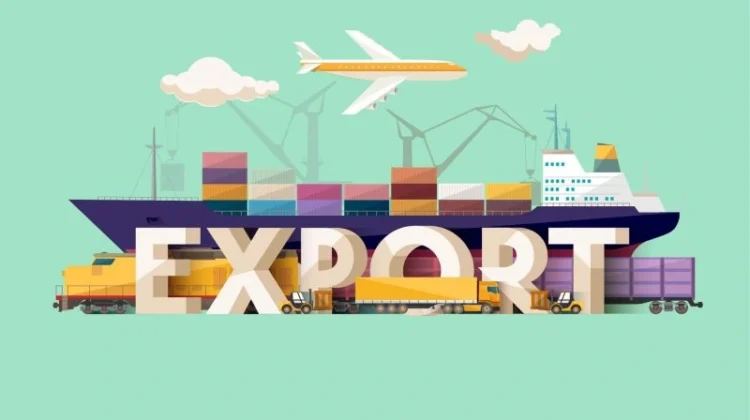
Organic Basket emphasizes strong supplier partnerships and thorough documentation processes. From farm-level sourcing to packaging and export logistics, each stage is managed with attention to quality, safety, and compliance.
Meeting Global Market Expectations
Today’s international buyers expect more than competitive pricing. They demand reliability, regulatory compliance, and efficient delivery systems. As global trade expands, businesses must adapt to evolving standards and consumer preferences.
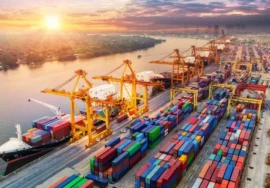
Operating from the UAE — one of the world’s leading trade hubs — allows Organic Basket to connect producers and buyers across Asia, Africa, Europe, and the Middle East. Advanced logistics infrastructure and strategic location enable smooth import, export, and re-export operations across diverse food categories.
The Role of Businesses in Responsible Trade
Corporate responsibility is becoming a key factor in purchasing decisions. Companies that integrate sustainability into their operations strengthen brand reputation and long-term growth potential.
Responsible trade includes:
• Ethical sourcing
• Transparent documentation
• Hygienic handling and packaging
• Efficient logistics management
• Long-term supplier relationships
These elements ensure consistency and build confidence among global partners.
Looking Toward the Future
The global demand for organic food continues to rise as consumers prioritize wellness and environmental responsibility. Businesses that adapt to this shift and invest in quality-driven supply chains will remain competitive in the evolving marketplace.
Organic Basket remains committed to facilitating responsible food trade while maintaining high operational standards. By combining sustainability, quality assurance, and strategic logistics, we aim to contribute to a more secure and sustainable global food network.
The future of food lies in conscious choices — and organic trade plays a vital role in shaping that future.